
Best Price Contacts
Contact lens prices can vary based on the brand, lens type, replacement schedule, prescription, and box size. Daily disposables often cost more per lens but provide fresh, low-maintenance wear, while bi-weekly and monthly contacts may be more budget-friendly for regular use. Specialty lenses, such as toric contacts for astigmatism or multifocal contacts for presbyopia, may also cost more than standard spherical lenses.
Browse our selection of affordable contact lenses across daily, bi-weekly, monthly, toric, multifocal, and colored options. Deals and prices can change from time to time, so check the product listing before checkout to compare current savings and find lenses that fit your prescription, comfort needs, and budget.
to
to
to
to
to
to
to
to
to
to
to
to
to
to
to
to
to
to
to
to
to
to
to
to
to
to
to
to
to
to
to
to
to
to
to
to
How To Compare Contact Lens Prices The Smart Way
The best price on contacts is not always the lowest box price you see first. A smaller box can look cheaper upfront, but it might not last as long as a larger supply. A daily lens can also cost more per box than a monthly lens, but monthly contact lenses may require cleaning solution, storage cases, and a stricter care routine.
To compare prices fairly, look at how many lenses come in the box, how long that supply will last, and how often you replace each pair. Then check whether rebates, discounts, shipping costs, or auto-refill options change the final price. A smarter comparison looks at the full cost of wearing the lenses over time, not the product price alone.
What Affects The Cost Of Contacts?
Several details can change how much your contact lenses cost over weeks, months, or a full year. Before choosing a contact lens based on price alone, check the factors that shape the actual value of your order.
Box Size And Supply Length
A larger box can cost more at checkout but last longer between reorders. Compare how many lenses you get, how many eyes you're buying for, and how long each box will cover your routine.
Replacement Schedule
Daily, bi-weekly, and monthly lenses have different cost patterns. Daily disposable lenses are replaced after one use, while reusable lenses are worn for a set period and need proper cleaning and storage.
Prescription Type
Toric, multifocal, color, and specialty contact lenses can cost more than standard spherical contacts because the designs are more detailed. Your prescription should guide the purchase first, then price comparison can help narrow your options.
Rebates And Discounts
Contact lens rebates can lower the final cost, but the terms matter. Check the eligible product, purchase dates, box quantity, submission deadline, and whether the rebate applies to your exact order.
Care Supplies And Shipping
Reusable contact lenses need solutions and cases, which can add to your total cost over time. Shipping fees, delivery speed, and reorder timing can also affect the final price you pay.
Ways To Save When Reordering Contact Lenses
Once you know which contacts match your prescription, a few smart reorder habits can help you control long-term costs without switching to the wrong lens.
- Compare the cost by supply length: Look at how long each box will last, not only the price at checkout. A higher-priced box can be a better value if it covers more days of wear.
- Check rebate details before buying: Rebates can help lower your final cost, but only if your order meets the requirements. Review the deadline, box minimum, and eligible lens name before checkout.
- Restock before you run out: Waiting until your last pair can lead to rushed shipping or limited options. Reordering early gives you more room to compare prices and delivery choices.
- Buy the supply that fits your prescription timeline: Larger orders can be helpful, but your prescription needs to stay valid long enough to use the supply. Avoid overbuying if your eye exam is coming up soon.
- Factor in care products for reusable lenses: Monthly and bi-weekly contacts can offer strong value, but lens solution and cases are part of the real cost. Add those items to your comparison before deciding which schedule saves more.
Save More With Contact Lens Rebates
|
box rebate
Rebate amount with a 4 box purchase
|
box rebate
Rebate amount with a 8 box purchase
|
Contact Lens Manufacturer
|
Contact Lens Type
|
Contact Lens Material Type
|
Contact Lens Water Content Percentage
|
Contact Lens Blocks UV
|
Each Box Contains
|
Average Star Rating
|
|
|---|---|---|---|---|---|---|---|---|---|
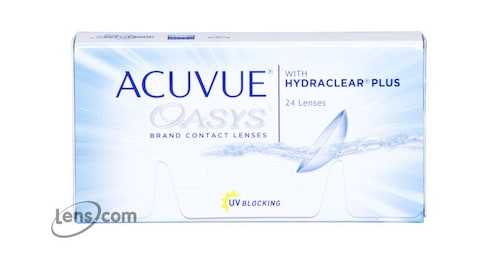
| Acuvue Oasys | $145 | -- | Johnson & Johnson | Weekly | Silicone Hydrogel | 38% | 12 lenses, a 6-month supply |
|
|
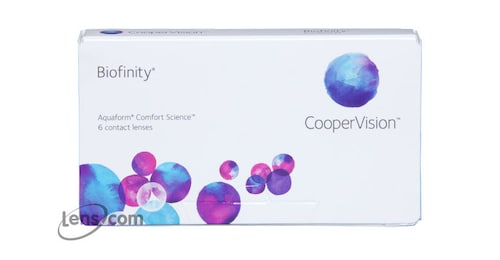
| Biofinity | $135 | -- | CooperVision | Monthly | Silicone Hydrogel | 48% | 6 lenses, a 6-month supply |
|
|
| Acuvue Oasys for Astigmatism | -- | $220 | Johnson & Johnson | Weekly | Silicone Hydrogel | 38% | 6 lenses, a 3-month supply |
|
|
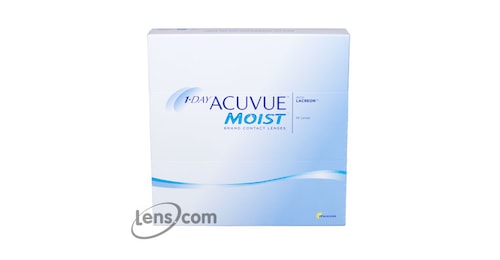
| 1-Day Acuvue Moist | -- | $290 | Johnson & Johnson | Daily | Hydrogel | 58% | 30 lenses, a 1-month supply |
|
|
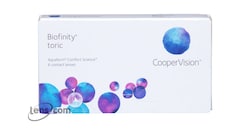
| Biofinity Toric | $145 | -- | CooperVision | Monthly | Hydrogel | 48% | 6 lenses, a 6-month supply |
|
|
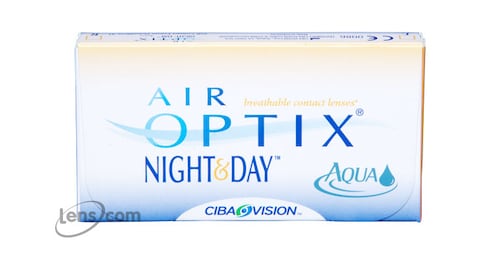
| Air Optix Night & Day Aqua | $105 | -- | Alcon | Monthly | Silicone Hydrogel | 24% | 6 lenses, a 6-month supply |
|
|
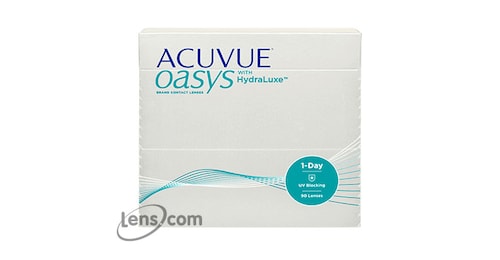
| Acuvue Oasys 1-Day with Hydraluxe | -- | $290 | Johnson & Johnson | Daily | Silicone Hydrogel | 38% | 90 lenses, a 3-month supply |
|
|
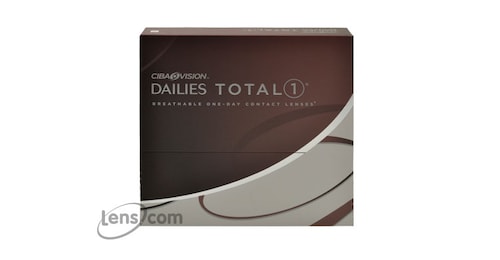
| Dailies Total 1 | -- | $290 | Alcon | Daily | Silicone Hydrogel | 33% | 90 lenses, a 3-month supply |
|
|
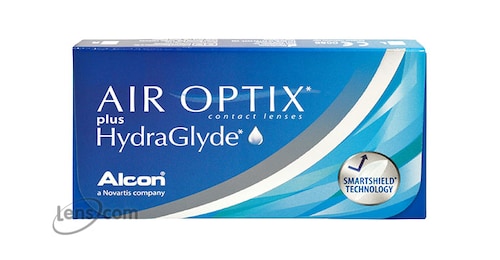
| Air Optix plus HydraGlyde | $85 | -- | Alcon | Monthly | Silicone Hydrogel | 33% | 6 lenses, a 6-month supply |
|
|
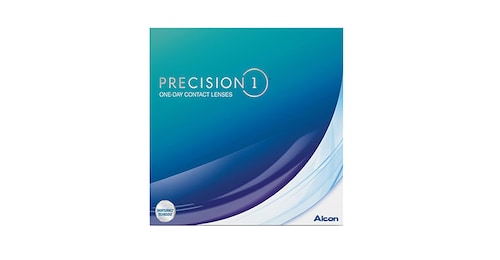
| Precision1 | -- | $290 | Alcon | Daily | Silicone Hydrogel | 51% | 90 lenses, a 3-month supply |
|
|
| Biofinity Multifocal | $145 | -- | CooperVision | Monthly | Silicone Hydrogel | 48% | 6 lenses, a 6-month supply |
|
|
| 1-Day Acuvue Moist for Astigmatism | $75 | $290 | Johnson & Johnson | Daily | Hydrogel | 58% | 30 lenses, a 1-month supply |
|
|
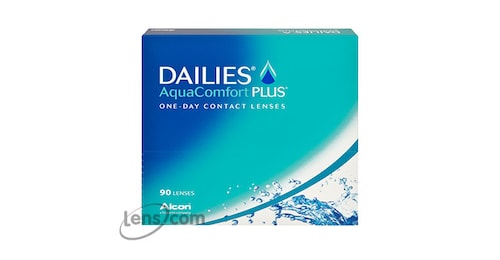
| Dailies AquaComfort Plus | -- | $290 | Alcon | Daily | Hydrogel | 69% | 90 lenses, a 3-month supply |
|
|
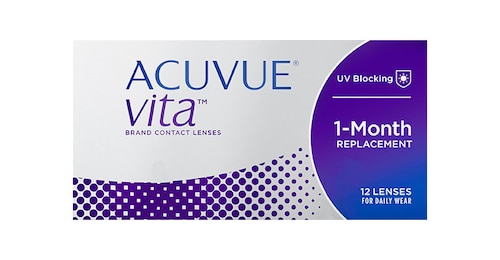
| Acuvue VITA | $145 | -- | Johnson & Johnson | Monthly | Hydrogel | 41% | 12 lenses, a 12-month supply |
|
|
| Air Optix plus HydraGlyde Multifocal | $135 | -- | Alcon | Monthly | Silicone Hydrogel | 33% | 6 lenses, a 6-month supply |
|
Is the Lowest Box Price Always the Best Deal?
Not always. A lower box price can look appealing at checkout, but it does not automatically mean you are spending less over time. The real value depends on how long the box lasts, how often you replace the lenses, whether rebates apply, and what additional products or shipping costs are involved.
For example, a smaller daily disposable lens box may look cheaper upfront, but run out quickly if you wear contacts every day. A larger supply can sometimes cost more initially while lowering the long-term cost per day of wear. Monthly or bi-weekly lenses can also seem less expensive at first, but reusable lenses still require cleaning solution, cases, and proper care products that add to the total cost.
Prescription type matters too. Standard spherical lenses usually cost less than toric, multifocal, or specialty contacts because those designs require more detailed fitting and manufacturing. Instead of comparing only the product price, compare how long the supply lasts, whether rebates apply, and how the lenses fit your actual routine.
How Do Rebates Change the Final Cost of Contacts?
Rebates can make a noticeable difference in the final cost of contact lenses, especially if you buy a larger supply at one time. Some manufacturers offer rebates when you purchase a minimum number of boxes or order an annual supply, which can lower the overall cost after submission and approval.
That is why the checkout price is not always the final price you should compare. Two lens options may look similar at first, but a rebate on one product could reduce the long-term cost enough to change which option gives better value. Before ordering, check the rebate amount, eligible products, purchase dates, box requirements, and submission deadline.
It also helps to remember that rebates are usually tied to specific lens names and supply quantities. If you order fewer boxes than required or miss the submission window, you may not qualify for the savings. Reading the rebate details carefully before checkout can help you avoid surprises later.
Daily, Weekly, and Monthly Contacts for Long-Term Value
The best long-term value depends on your prescription, wearing habits, eye sensitivity, and how consistently you follow your lens care routine. Cheap contact lenses with a lower monthly price don't automatically provide better value when they don't fit your lifestyle or become uncomfortable before the replacement schedule ends.
Daily Contact Lenses
Daily contacts are replaced after one use, so you start with a fresh pair every day. They can cost more upfront than reusable lenses, but many wearers like the convenience because there is no cleaning routine, no storage case, and less buildup over time. For people with allergies, dry eyes, busy schedules, or occasional lens wear, daily contacts can sometimes feel worth the higher box price.
Weekly And Bi-Weekly Contact Lenses
Weekly and bi-weekly lenses sit between daily and monthly schedules in terms of cost and routine. They can provide a balance between lower long-term cost and fresher replacement cycles compared with monthlies. Since they are replaced more frequently, some wearers find they stay comfortable longer than reusable lenses worn for an entire month.
Monthly Contact Lenses
Monthly contacts can provide strong value for full-time wearers because each pair lasts longer before replacement. The lower cost per lens can make them appealing for everyday use, but they also require proper cleaning, storage, and replacement discipline. If you struggle with lens care routines or tend to overwear contacts, a cheaper monthly lens may end up costing more in discomfort or eye problems later.
Why Do Toric and Multifocal Contacts Cost More?
Toric and multifocal contact lenses usually cost more because the lens designs are more specialized than standard spherical contacts. These lenses are made to correct more complex vision needs, which means the fitting process, manufacturing, and lens structure all require greater precision.
Toric lenses are designed for astigmatism, so the lens has to stay in a stable position on the eye for vision to remain clear. To make that happen, the lens may use weighted areas, stabilization zones, or specific shaping that helps prevent rotation during blinking and movement. This added design complexity is one reason toric lenses can cost more than standard contacts.
Multifocal contacts are also more detailed because they contain multiple prescription zones for near, intermediate, and distance vision in a single lens. The lens has to balance these vision zones while still remaining comfortable and stable during wear. Because of that, multifocal fittings may also require more trial-and-error adjustments before finding the right match.
How to Compare Contact Lens Prices by Supply Length
Comparing contact lens prices by supply length can give you a clearer idea of the real long-term cost instead of focusing only on the checkout price. A smaller box may look cheaper upfront, but it can run out quickly if you wear contacts every day. A larger supply may cost more at first while lowering the average cost per day or per month of wear.
Before comparing prices, check how many lenses are included in the box and how often each pair needs to be replaced. Daily contacts are used once and thrown away, while weekly, bi-weekly, and monthly lenses stay in rotation longer. That difference changes how long a box actually lasts for your routine.
- Check the total lens count: A lower-priced box may contain fewer lenses than another option.
- Calculate how long the supply lasts: Think in weeks or months instead of only looking at the product price.
- Factor in both eyes: If your prescriptions are different, you may go through one box faster than the other.
- Include care products for reusable lenses: Solution and storage cases add to the total cost over time.
- Compare rebate eligibility: Some rebates only apply to larger supply purchases or annual orders.
Looking at supply length instead of only the box price can help you avoid choosing a lens that seems cheaper at first but costs more to maintain over time.
When Should You Reorder Contacts to Avoid Rush Costs?
It is better to reorder contacts before you reach your last pair instead of waiting until you completely run out. Ordering too late can limit your shipping options, increase rush delivery costs, or leave you wearing old lenses longer than you should.
A good habit is to check your remaining supply a few weeks before you expect to run out, especially if you wear specialty lenses, toric contacts, multifocals, or less common prescriptions that may take longer to process. Reordering early also gives you more time to compare prices, check rebates, review supply options, and avoid rushed decisions.
Your prescription expiration date matters too. If your eye exam is coming up soon, think about whether it makes more sense to renew the prescription before placing a larger order. Planning ahead can help you avoid situations where you need lenses immediately but your prescription is no longer valid for reorder approval.
Finding Value in Contacts That Match Your Prescription
Finding the best price on contacts should never come at the expense of proper prescription fit. A cheaper lens is not a better value if it leaves your eyes dry, uncomfortable, blurry, or difficult to wear throughout the day. The goal is to balance price, comfort, vision quality, and the wearing routine your eyes can actually tolerate.
Different contact lenses are made with different materials, moisture levels, stabilization designs, and replacement schedules. A lens that works well for one person may feel uncomfortable for someone else, even if the prescription numbers look similar.
When comparing prices, start with the lenses your eye doctor already approved for your eyes. Then compare supply length, rebates, replacement schedules, and long-term costs within those options instead of switching randomly to a cheaper lens. A lower price may look attractive at checkout, but discomfort, blurry vision, or poor fit can end up costing more in the long run if you stop wearing the lenses consistently or need another fitting later.
If you want to explore lower-cost options, ask your eye doctor whether there are similar lenses with a different replacement schedule, material, or price range that still fit your prescription needs. Saving money works best when the lenses still support healthy, comfortable everyday wear.
References
Contact Lens Care. American Optometric Association. https://www.aoa.org/healthy-eyes/vision-and-vision-correction/contact-lens-care. Accessed June 2, 2026.
About Contact Lenses. Centers for Disease Control and Prevention. https://www.cdc.gov/contact-lenses/about/index.html. Updated May 27, 2025. Accessed June 2, 2026.
Healthy Contact Lens Wear and Care. Centers for Disease Control and Prevention. https://www.cdc.gov/contact-lenses/prevention/index.html. Updated May 27, 2025. Accessed June 2, 2026.
How to Take Care of Contact Lenses. American Academy of Ophthalmology. https://www.aao.org/eye-health/glasses-contacts/contact-lens-care. Accessed June 2, 2026.
Popular Contact Lens Reviews
Excellent service!
This product has nothing to dislike about. It is a good quality of contact lenses and will not stop using this brand. My vision is satisfactory using Air Optix brand. Please do not stop carrying them. The sales representative was also very knowledgeable, professional, articulate and kind. My order came in before Thanksgiving and I appreciate it. She expedited sending my order so I will be happy, satisfied with my new lenses. Thank you kindly, for the excellent service !
Affordable price and quality
Love the ease and price of buying Focus dailies through Lens.com. Quick delivery and cheaper than through my eye doctor. Same product and quality. Why waste time and money anywhere else.
Awesome service
I have used Lens.com for several years now and their service is excellent. They even took back contacts I had ordered by mistake. They make it easy to order and receive your product quickly.
Would highly recommend them!
Easy wearing
Been wearing this brand of contacts for 3 years- feel easy on the eyes, light, flexible & easy to dispose of. Say adios to buying contact solution & contact cases!
The customer service is prompt and OUTSTANDING
Lens.com is such a breeze to order contacts from, and their customer service is the best. Several boxes of contacts I ordered were lost in the mail and they so were so kind about resending me my order fast and without any extra fees. The quality of these contacts (Biofinity) is unmatched as well. I would highly recommend both Lens.com and Biofinity to anyone.
Great prices
I have ordered several times from Lens.com.
I have had no issues with orders or scripts. I love the rebate when you order 4 boxes or more. I will purchase from them again.
First time buyer
Great service, great price and very easy to order and pay. Will be back for my next order.
I have been using B+L SofLens Toric Astigmatism.
After I had been happily using them for decades, I could not reorder my contact lenses since Bausch+Lomb officially discontinued many SofLens® Toric lenses in July  2023.
As my Rx had not changed, my optometrist recommended another manufacturer, which I tried using for months, and was very disappointed.
Then on the Lens.com website, I ordered B+L ULTRA for Astigmatism Contact Lenses, and they seem just the same to me as the discontinued B+L SofLens® Toric contact lens. Now I couldn't be happier!
Great contact lens
These lens fit well and stay comfortable no matter my activity. Very good value for keeping my eyes seeing as well as possible.